
Badlands National Park History: What the Land Teaches Us
When I step into the Badlands, I feel as if the Earth is whispering stories. The wind moves through the grass, the cliffs glow in shades of rose and gold, and every ridge seems to hold a secret from another time. I’ve spent years guiding travelers through this wild landscape, helping them see what Badlands National Park History truly means, not just the dates and designations, but the story of the Earth itself.
To me, the Badlands are a living archive. The rocks, the fossils, the silence, and they all speak. And when you listen, you start to hear the rhythm of millions of years.
A Land Carved by Time
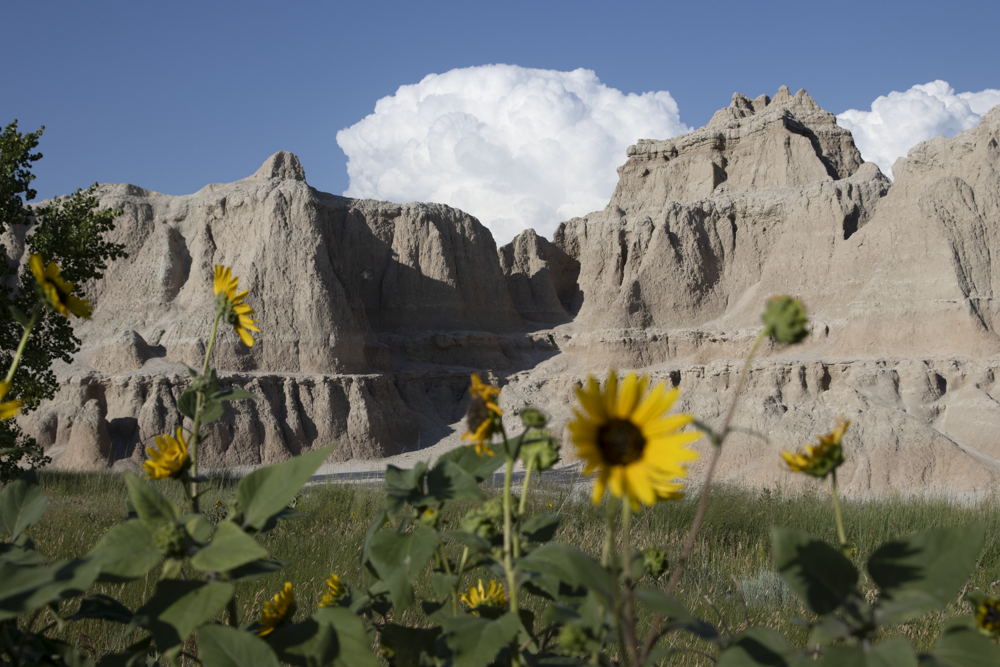
When people ask me about Badlands National Park History, I tell them to look down before they look up. Beneath every footstep is a layer of time. The Badlands formation history began 75 million years ago, when it was an inland sea. Over time, rivers, floods, and wind shaped the soft clay into the spires and buttes we see today.
The colors of the rock, the reds, yellows, grays and whites, are like chapters in a book. Each one tells a different story: volcanic ash from long-extinct mountains, ancient forests, and entire worlds erased by erosion.
The fossils here are among the most important in North America. I’ve stood next to paleontologists in the Ben Reifel Visitor Center as they uncover remains of ancient camels, saber-tooth cats, and early horses. Every fossil is a clue, a moment frozen in time, reminding us that Badlands National Park History is not just about the past, it’s about life’s ability to adapt and endure.
The Spirit of the Lakota People
Long before this land became a park, it was, and still is, sacred to the Lakota Nation. The Lakota call it Mako Sica, meaning “Lands, Bad.” To outsiders, that might sound harsh, but in truth, it captures the spirit of a landscape that reveals both strength and humility.
When I bring travelers here, I always share that Badlands National Park History isn’t only buried in sediments; it’s carried in the hearts and stories of the Lakota people. For them, this land is alive, a place of prayer, ceremony, and reflection.
I’ve listened to Lakota elders speak about the connection between people and land, how the Badlands are part of their identity. It’s humbling. You begin to realize that this isn’t just protected land; it’s sacred space. Badlands Lakota heritage goes back further than current records exist, and should be respected.
From Monument to National Park
As more explorers and scientists visited in the late 1800s, word spread of the Badlands’ unusual beauty and fossil beds. The U.S. government recognized its value early on. In 1929, it became a national monument, and in 1978, it was officially designated Badlands National Park.
This wasn’t just a victory for conservation, it was a recognition of heritage. The park’s partnership with the Oglala Lakota Nation ensures that Native voices continue to shape its story. This relationship reminds visitors that Badlands National Park History is both geological and cultural, two narratives woven together.
When I guide guests, I often say that the park is not a museum; it’s a living collaboration between time, nature, and humanity.
The Life Hidden in the Landscape
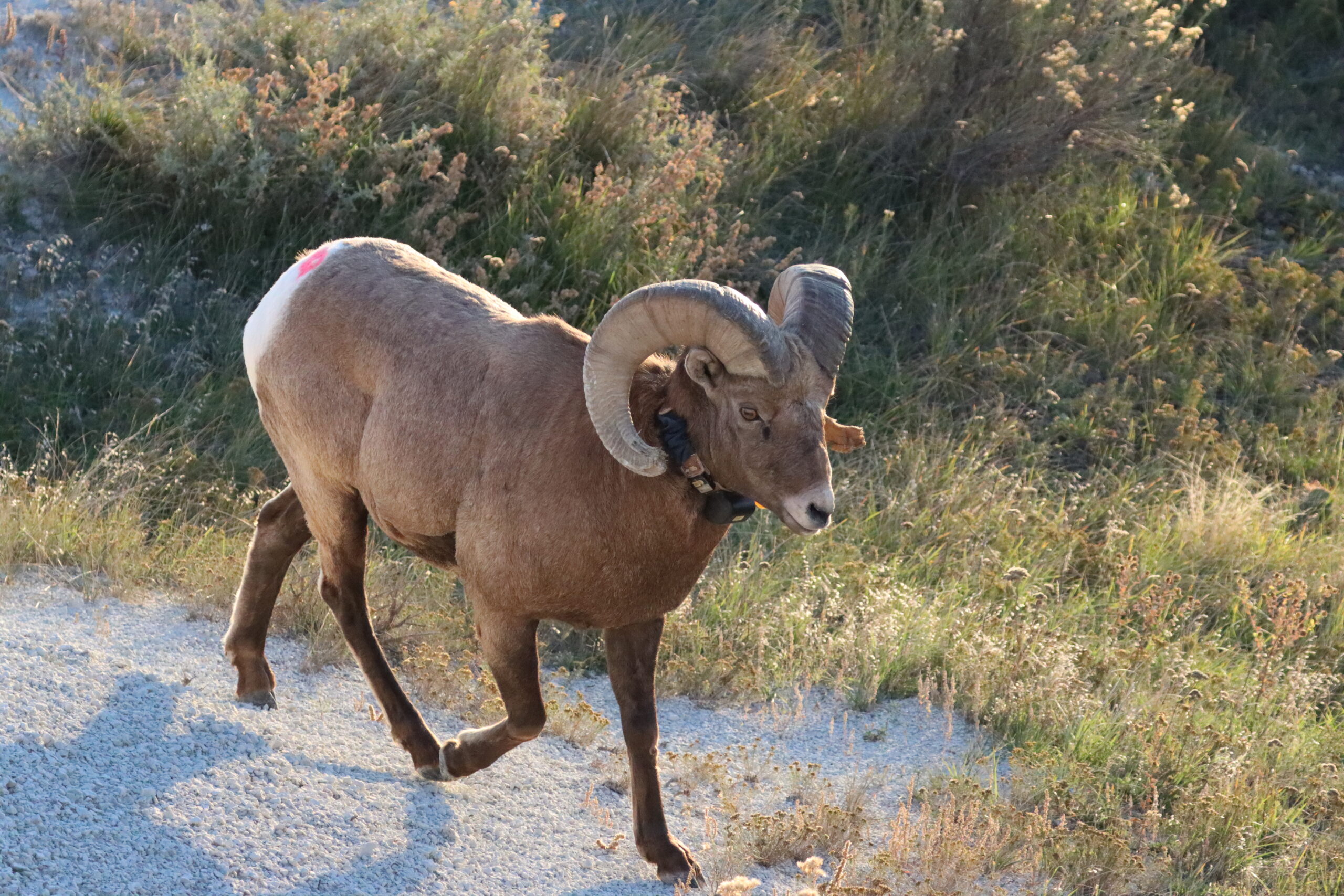
People are often surprised to learn that the Badlands are full of life. Bison graze across open prairies, bighorn sheep cling to impossible cliffs, and prairie dogs pop up from the earth like little sentinels. The rare black-footed ferret, once thought extinct, hunts here again thanks to careful reintroduction.
In the quiet hours of morning or late afternoon, I’ve seen hawks soaring, coyotes moving through the valleys, and light changing faster than the eye can keep up. It’s in these moments that you understand how ancient and alive the Badlands really are.
The park is proof that survival is an art, and Badlands National Park History is its masterpiece.
Fossils, Silence, and Perspective
Every time I walk the Fossil Exhibit Trail, I imagine the world that existed here millions of years ago. Warm wetlands, strange mammals, and birds unlike anything we know today. This isn’t just a fossil site, it’s the story of Earth itself, told without words.
Silence plays a role too. Out here, the quiet isn’t empty. It’s full, of presence, memory, and energy. Standing still in that silence, surrounded by color and wind, you begin to understand why the Badlands have always drawn dreamers, seekers, and storytellers.
How to Experience the History for Yourself
If you want to feel Badlands National Park History, go slowly. The park doesn’t rush anyone, and you shouldn’t rush it either.
When to Visit
Spring and fall bring cooler temperatures and incredible light. Early morning and sunset are when the landscape feels alive, the colors deepen, the shadows stretch, and the park seems to breathe. If arriving in the summer, head out to the Badlands a couple of hours before sunset, and into the night. During the day, it will be hot, and the sun washes out the beautiful colors.
If it happens to be raining, don’t be discouraged. With rain comes rainbows. The soil also brightens and pops when wet, creating beautiful Badlands formations.
How to Explore
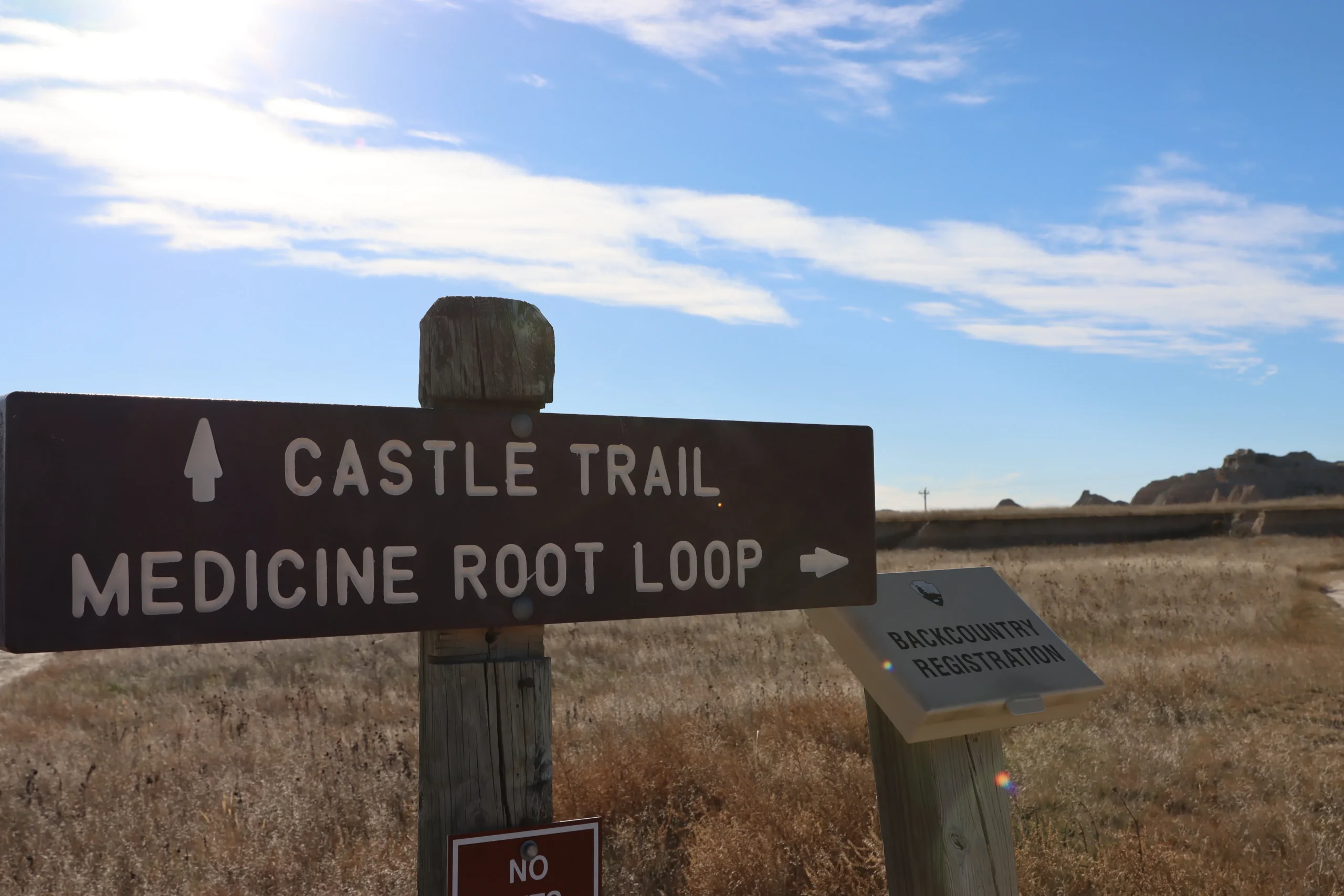
Drive the Badlands Loop Road to experience the park’s full range, then stop at Big Badlands Overlook or Pinnacles. Hike the Notch Trail or Castle Trail to walk through formations that look like another planet.
What to Remember
Respect the land. This place is both ancient and fragile. Stay on the trails, bring water, and move quietly. The more you respect the land, the more the Badlands will give back. Badlands National Park geology is fragile, and dangerous if you aren’t careful. Remember, this is not rock; it’s sediment deposited over millions of years of Badlands formation history.
Why Badlands National Park History Matters
When you stand in the Badlands, you’re surrounded by stories, of time, of culture, of life that refused to disappear. Badlands National Park History reminds me that beauty often hides in struggle. The wind, the erosion, the silence, they’re all part of the same truth: everything changes, and everything endures.
Every traveler who joins me leaves with a unique memory. Some remember the colors. Some remember the silence. But all remember how it felt. Think about the Badlands Lakota Heritage, and what it must have meant, and still means to them.
And that’s the real history, not just the timeline, but the emotion this land creates in everyone who visits.