Experience the Badlands Like a Local: A Practical Guide for First-Time Visitors
Visiting Badlands National Park can feel almost otherworldly. The sharp ridges, quiet prairies, and immense sky create a landscape that changes with every shift of sunlight. Locals see the Badlands as more than scenery. They know its rhythms, its wildlife patterns, and the quiet pockets where you can slow down and feel a real connection to the land. This guide brings that perspective to you so your visit feels confident, peaceful, and full of meaning.
What Makes a Local Perspective Valuable
Most visitors drive the loop road, stop at the major overlooks, and head out again. There is nothing wrong with that, but it barely scratches the surface. A local sees the park through stories, seasons, and small details. They understand what happens at dawn on the prairie, why certain areas are so quiet, and how wildlife moves when the weather shifts.
Local insight helps you choose better routes, avoid stressful surprises, and enjoy moments many visitors miss entirely.
Understanding the Park Before You Arrive
A little preparation makes a big difference in the Badlands. The landscape is beautiful, but it can also be unpredictable, with quick weather shifts, long stretches without shade, and limited cell service. Taking time to plan helps you move through the park with confidence instead of guesswork. Simple steps like checking the forecast, packing extra water, and downloading offline maps make your day smoother and safer.
Understanding the rhythm of wildlife and knowing which areas get busy at certain hours also helps you choose the right moments for quiet viewpoints, better photos, and comfortable hikes. A bit of thought before you arrive opens the door to a calmer, more rewarding experience once you’re out on the prairie.
Wildlife You May Encounter in Badlands National Park
Understanding the animals that call Badlands National Park home adds a richer layer to your visit. When you experience the Badlands like a local, you start to notice patterns in behavior, preferred habitats, and the subtle signs that wildlife is nearby. These insights help you enjoy safe and meaningful encounters while following responsible badlands travel tips that protect both you and the animals.
Bison
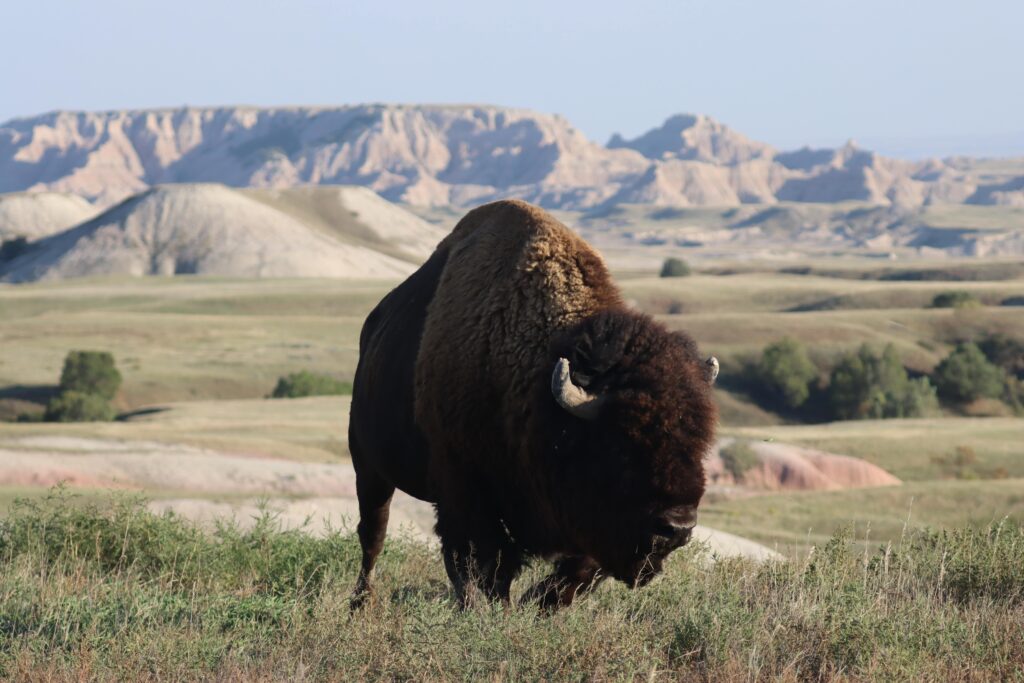
Bison are the icons of the prairie and one of the most powerful animals in the park. Even when they appear calm, they can cover ground quickly and change direction without warning. These massive grazers often move along open grasslands or near Sage Creek, and you may even see them resting near the road. The safest and most respectful way to observe them is from a generous distance. Many travelers underestimate their speed, so step back, give them room to move, and enjoy the chance to watch one of North America’s most important native species in its natural habitat.
Pronghorn Antelope
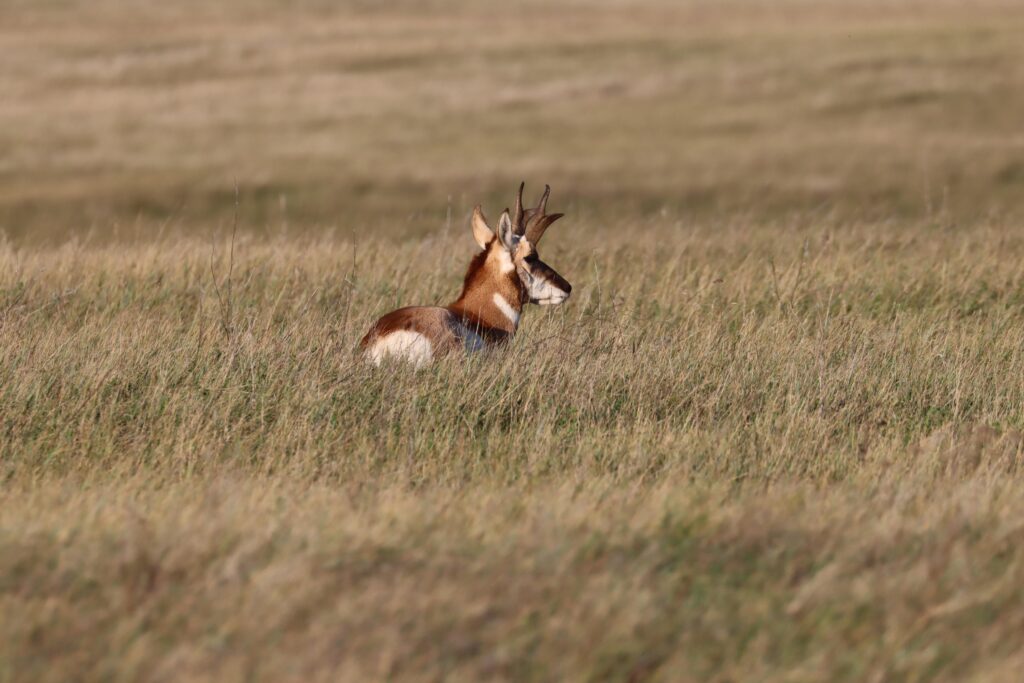
Pronghorn are the quiet sprinters of Badlands National Park. They hold the title of the fastest land animal in North America and can reach incredible speeds across the prairie. You will often find them in wide grassy areas where they can watch for movement. While they sometimes pause and observe you with a curious expression, pronghorn prefer generous space. Watching them from afar offers a peaceful moment and, with a little luck, you may see a small herd glide across the landscape in a way that looks effortless.
Bighorn Sheep
Bighorn sheep are impressive and surprisingly graceful. They navigate steep cliffs and narrow ledges with ease and can appear in areas where you least expect them. Visitors often spot them lounging on rock shelves or grazing near the park roads. If you come across bighorn sheep on a trail, step back and give them the right-of-way. Their comfort around people can be misleading, but they deserve space to move freely and safely. Seeing them in their element is one of the most rewarding things to do in Badlands National Park.
Night and Early Morning Sounds
If you stay near the park or in one of the gateway communities, take a moment to step outside when the sky turns quiet. The sounds of night in the Badlands are unforgettable. Coyotes often call across great distances, creating an echo that travels along the formations. The soft rustle of prairie grasses adds a calming rhythm, especially near dawn or just after dark. These small but powerful experiences are often overlooked, yet they are some of the most memorable ways to experience Badlands National Park like a local.
Why Wildlife Knowledge Matters
Knowing what to expect from the animals around you improves your entire visit. It helps you choose the right times for scenic drives, decide where to pause for photos, and understand the natural flow of the park. When combined with thoughtful preparation and other essential badlands travel tips, this awareness brings you closer to the landscape in a respectful and meaningful way. Wildlife encounters are highlights for many visitors, and understanding these animals gives you a clearer path to enjoying them safely and responsibly.
Practical Tips That Make Your Visit Easier
Stay Hydrated
The Badlands can be hotter and drier than many visitors expect, even on mild days. The dry prairie air pulls moisture from your body quickly, and the sun reflects off the pale formations in a way that increases heat without much warning. Water sources inside the park are limited, so bring more than you think you’ll need. A good rule of thumb is at least one gallon per person for a full day of exploring. If you plan to hike, add even more. Refillable bottles or hydration packs work well because they encourage steady sipping rather than long gaps between drinks. Dehydration sets in quietly here, so staying ahead of it keeps your energy up and your experience enjoyable.
Cell Service
Cell coverage inside Badlands National Park is spotty and unreliable. Some areas have a signal, but many do not, especially along the scenic drives and deeper into the prairie. Because of that, it helps to download maps in advance and save anything important like reservation details, trail information, or meeting points. Google Maps and offline GPS apps work well once they’re downloaded.
If you’re traveling with others, agree on a meetup point before entering the park in case someone gets separated. Limited service can actually make the experience more peaceful, but only if you plan for it before you arrive.
Clothing
The Badlands can shift from cool mornings to warm afternoons in a short time, and the open landscape offers very little shade. Wear breathable fabrics that help regulate your temperature and wick away sweat. Light layers are helpful because you can remove or add them as the day changes.
A wide-brim hat keeps the sun off your face and neck, and sturdy shoes protect you from loose rock and uneven ground. The terrain looks soft from a distance, but the surface is rough and textured, so supportive footwear makes a real difference in comfort. Even short hikes feel more enjoyable when you dress for flexibility.
Safety
Safety in the Badlands centers on awareness and respect for the environment. Trails often cross crumbly edges that look solid but can give way when stepped on, so stay on marked paths and choose your footing carefully. The formations can act as funnels for wind, so gusts arrive without warning.
Wildlife is another essential consideration. Animals like bison and bighorn sheep may seem calm, but they need plenty of space. Keep a comfortable distance and never try to approach or feed them. It also helps to tell someone outside the park where you’re going and when you plan to return, especially if you’re exploring quieter areas. Small, thoughtful precautions give you the freedom to enjoy the park with confidence and peace of mind.
How to Build Your Badlands Itinerary
Here is a simple planning outline to help visitors make the most of their time.
One Day
• Drive Highway 240
• Explore two short hikes
• Spend sunset in a quiet pullout near Conata Basin
Two Days
• Enjoy the classic loop at a slower pace
• Add Sage Creek for wildlife viewing
• Include a sunrise moment at Big Badlands or Panorama Point
• Visit the Ben Reifel Visitor Center for geology and history
Three Days
• Combine the Badlands with the Black Hills
• Visit the Mammoth Site or Wall Drug
• Add an interpretive tour for context and storytelling
Adventures in Badlands National Park are endless and stay with you long after you leave. The incredible formations, quiet prairies, and open sky invite you to slow down and look a little closer. When you choose to experience the Badlands like a local, you begin to notice the small details that shape this place. You learn how the light changes the colors of the buttes, where wildlife tends to move at sunrise, and how a simple gravel pullout can lead to a peaceful moment that feels entirely your own.
There are many things to do in Badlands National Park, but the most meaningful ones usually come from curiosity and a willingness to wander with intention. Whether you follow a scenic drive, set out on a short hike, or pause at an overlook to watch the landscape shift, the Badlands reward people who move with patience. Simple preparation and thoughtful choices also make your visit smoother, which is why reliable badlands travel tips like bringing extra water, wearing layers, and saving offline maps matter more than most travelers realize.
As your time in the region comes to an end, remember that the Badlands are a place where stillness and discovery go hand in hand. Let your visit be shaped by respect for the land and enjoyment of each moment you find along the way. When you take this approach, you carry home more than photographs. You bring back a deeper understanding of Badlands National Park and a personal connection to a landscape that has inspired visitors for generations.